

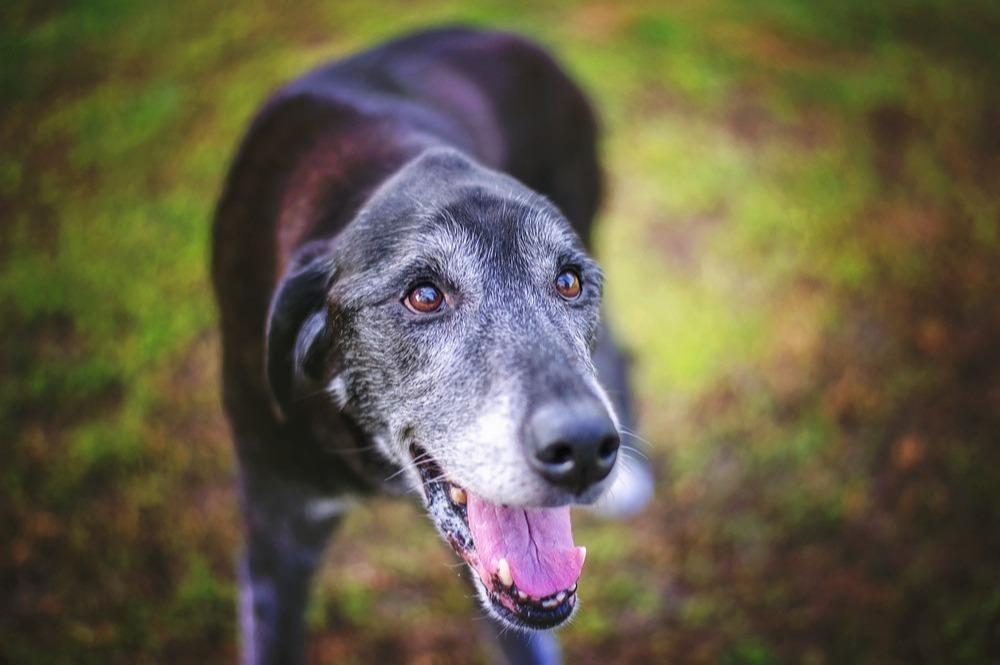
There's something profoundly soothing about the gaze of an aging dog. A form of wisdom, an assumed slowness, an even more intense presence. Our senior dogs are not just old animals: they are witnesses to our history, companions of a shared life.
This stage, often dreaded, is nevertheless a precious period. It invites us to slow down, to observe more, to care differently. At ELEMENT VET, this phase of life is seen as a continuity, not a decline. Properly supporting your senior dog means allowing them to live fully, to the very end, in comfort and serenity.

Understanding Dog Aging: A Natural Evolution
Aging in dogs doesn't happen overnight. It gradually sets in, differing according to size, breed, and lifestyle. Generally, a dog enters the "senior" category between 7 and 10 years old, but this figure is merely indicative.
With age, the body changes. Metabolism slows down, joints become more sensitive, and senses dull. Digestion can become more delicate, while muscle mass progressively decreases. These transformations are sometimes accompanied by behavioral changes: a calmer dog, more sensitive, sometimes disoriented.
It is essential not to view these signs as inevitable, but rather as valuable indicators. They allow us to adjust our care and anticipate their needs.

Frequent Problems in Senior Dogs
As dogs age, certain discomforts become more frequent. Osteoarthritis, in particular, is very common, but it often remains difficult to detect. Contrary to popular belief, it doesn't always cause visible lameness. It can express itself more subtly, through discomfort or stiffness.
The digestive system also becomes more sensitive. Some dogs tolerate their usual diet less well, while their skin can dry out and become more fragile, especially on their paw pads.
Fatigue also sets in differently: the dog sleeps more, recovers less quickly, and can lose endurance. In some cases, cognitive disorders appear, altering their bearings or habits.
However, a senior dog is not a sick dog. They simply require more careful, more adapted attention.
Recognizing Subtle Signs of Pain
One of the major challenges with aging dogs is detecting pain. Unlike humans, dogs rarely express suffering in an obvious way.
A dog that hesitates before getting up, takes longer to settle down, or avoids certain movements is already sending signals. A decrease in activity, unusual irritability, or repeated licking of certain body areas can also indicate discomfort.
These changes are sometimes subtle, but they deserve your full attention. Observing your dog daily remains one of the best ways to preserve their well-being.
Adapting the Environment to Improve Comfort
The environment plays a central role in the quality of life of a senior dog. What seemed harmless before can become a real obstacle with age.
Slippery floors, for example, can exacerbate joint pain and increase the risk of falls. Arranging the space with rugs or non-slip surfaces helps to secure movements and restore confidence to the dog.
Bedding also deserves special attention. A comfortable bed, easy to access and providing sufficient lumbar support, helps limit pressure points and promotes better recovery.
Finally, paw pads, often weakened with age, require regular care. Good hydration helps prevent cracks and maintain their elasticity.

Feeding Your Senior Dog: An Essential Pillar
With age, nutritional needs change. Diet then becomes a major lever to preserve the dog's health and vitality.
An adapted ration should be lighter in calories while remaining rich in essential nutrients. The goal is to support the body without overloading the digestive system, while preserving muscle mass.
Joints, which are particularly stressed, also benefit from targeted intake of essential fatty acids. At ELEMENT VET, certain natural supplements such as Joint Support, Krill Oil, Digestion or even Vermiflore are part of this holistic support approach.
But the approach goes further: it's not just about correcting, but about anticipating. Phytotherapy, used preventively, helps support the body even before the first signs of discomfort appear.
Phytotherapy: Anticipating Rather Than Enduring
The approach advocated by ELEMENT VET is based on a global vision of animal well-being. Phytotherapy accompanies the dog throughout its life, and not only when problems arise.
This preventive approach allows for gentle action, respecting the natural balance of the organism. It is part of a long-term support logic, where each stage of the dog's life is taken into account.
The example of Valérie Maumon, founder of ELEMENT VET, perfectly illustrates this philosophy. Throughout her life, she has accompanied the same team of dogs, incorporating natural supplements from a young age.
Result: dogs that remained fit, active, and balanced well into their old age. Among them, Lady, a 15-year-old dog, still full of vitality, whom you can often see sharing moments of pure joy on our social networks.
This type of journey is not the result of chance, but of constant and thoughtful support.
Moving Differently to Preserve Vitality
Contrary to popular belief, a senior dog should not stop moving. Physical activity remains essential to maintain muscle mass, support joints, and stimulate the mind.
It simply needs to be adapted. Walks can be shorter, but more regular. Abrupt efforts should be avoided, in favor of gentle and progressive movements.
Respecting the dog's rhythm becomes key. It is they who guide, who set the pace. And in this listening, a new form of relationship develops.
Daily Well-being: Constant Attention
With age, small gestures take on considerable importance. Massages, for example, help relieve muscle tension, stimulate circulation, and strengthen the bond with the animal.
Hydration, often overlooked, also deserves special attention. A senior dog should have constant access to fresh, clean water, and be encouraged to drink regularly.
But beyond physical care, there is the emotional dimension. An aging dog needs routines, presence, and gentleness. Maintaining a stable routine, talking to them, reassuring them, contributes deeply to their balance.

Supporting Your Dog to the End, with Fairness
Aging is not an end, but a transformation. The dog changes, evolves, becomes different — often calmer, closer, even more present.
At ELEMENT VET, we are convinced that every dog deserves to experience this stage in comfort, dignity, and serenity.
Supporting a senior dog means accepting this change, adapting to it, and continuing to offer what is most essential: attention, respect, and love.
Because they have been there for us their whole lives…
It's our turn to be there for them, to the very end.


