

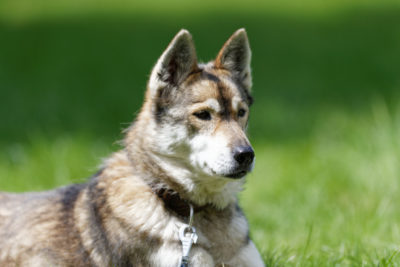
Osteoarthritis in dogs is a common degenerative joint disease, especially in older dogs. This chronic condition is characterized by progressive wear and tear of the joint cartilage, leading to pain, stiffness, and reduced mobility. Understanding the causes of osteoarthritis in dogs, identifying its symptoms, and discovering natural solutions to relieve your pet is essential to improve their quality of life.
What is osteoarthritis in dogs?
Osteoarthritis, also known as osteoarthrosis, is a progressive degradation of the cartilage that covers the ends of bones in joints. This cartilage acts as a shock absorber, facilitating movement. When it wears out, the bones rub directly against each other, causing pain, inflammation, and loss of flexibility.
There are two types of osteoarthritis in dogs:
-
Primary osteoarthritis: linked to the natural aging of joints.
-
Secondary osteoarthritis: consequence of a malformation, trauma, dysplasia, or overweight.
Causes of osteoarthritis in dogs
Several factors can predispose a dog to develop osteoarthritis:
1. Aging
With age, dogs' joints naturally wear out. Senior dogs are therefore more susceptible to osteoarthritis.
2. Genetic predispositions
Certain breeds are more prone to osteoarthritis, especially large breeds such as Labradors, German Shepherds, or Golden Retrievers, due to their weight and rapid growth.
3. Overweight
Excess weight increases the load on the joints, thereby accelerating cartilage wear.
4. Trauma and injuries
Poorly healed fractures, sprains, or accidents can alter the structure of the joints and promote the onset of osteoarthritis.
5. Joint diseases
Diseases such as hip or elbow dysplasia can be the cause of secondary osteoarthritis.
Symptoms of osteoarthritis in dogs
Identifying the symptoms of osteoarthritis in dogs allows for quick action to relieve the animal:
-
Morning stiffness: Difficulty getting up after a period of rest.
-
Lameness: More pronounced after exercise or upon waking.
-
Reluctance to exert effort: The dog refuses to climb stairs, jump, run.
-
Pain upon manipulation: Increased sensitivity when touching certain joints.
-
Lethargy: Less desire to play or go for walks.
-
Behavioral changes: Irritability or aggressiveness due to chronic pain.
If you observe these signs, it is essential to consult a veterinarian to confirm the diagnosis.
How to treat osteoarthritis in your dog?
Although there is no curative treatment for osteoarthritis, several solutions can treat your dog's osteoarthritis and improve its quality of life.
1. Weight management
An overweight dog puts more pressure on its joints. Weight loss is therefore essential to reduce pain.
2. Adapted exercise
Regular and moderate exercise helps maintain joint mobility and strengthen the muscles that support the joints.
3. Medication
Anti-inflammatory drugs may be prescribed by the veterinarian to relieve pain, but they sometimes have long-term side effects.
4. Physical therapies
Physiotherapy, hydrotherapy, massages, and rehabilitation exercises are very effective in improving mobility.
Natural care for dog osteoarthritis
In addition to conventional care, there are natural solutions to relieve osteoarthritis in dogs.
1. Joint supplements
Supplements based on:
-
Glucosamine and chondroitin: Promote cartilage regeneration.
-
MSM (Methylsulfonylmethane): Natural anti-inflammatory.
-
Omega-3 fatty acids: Reduce joint inflammation (krill)
2. Plants and natural remedies
-
Turmeric: Powerful natural anti-inflammatory.
-
Harpagophytum (devil's claw): Relieves joint pain.
-
Boswellia: Helps reduce chronic inflammation.
3. Essential oils (with caution)
Certain essential oils like wintergreen or lavender can be used for their anti-inflammatory properties, but only under veterinary supervision.
4. Anti-inflammatory diet
Adopting a diet rich in antioxidants and nutrients beneficial for joints can have a positive impact on osteoarthritis.
Preventing osteoarthritis in dogs
Prevention is the best approach to reduce the risk of osteoarthritis in dogs:
-
Maintain an ideal weight.
-
Ensure regular but adapted physical activity.
-
Monitor for early signs of joint pain.
-
Use preventive food supplements from a young age for predisposed breeds.
- Give regular natural treatments like reinforced joint from a certain age or depending on the animal's predispositions.
Conclusion
Osteoarthritis in dogs is a painful but manageable disease with appropriate care. By combining veterinary care, lifestyle changes, and natural solutions, it is possible to significantly improve your companion's quality of life. Remember to regularly consult your veterinarian to adjust the treatment according to your dog's needs.


