

Caring for a dog's paw pads is essential for maintaining their health and well-being, as these parts play a crucial role in protecting the paws and absorbing shocks. Here is a detailed guide, as a veterinarian might provide:
1. Regular paw pad inspection
- Examine your dog's paw pads once a week or after intense activities.
- Look for signs of injury: cuts, cracks, thorns, foreign objects, or redness.
2. Hydration and crack prevention
- Paw pads can dry out, especially in winter or on rough surfaces.
- Apply paw pad balm (available at the vet or our online store).
- Avoid human creams, as some substances can be toxic if the dog licks them.
3. Protection against extreme conditions
- Summer heat: Hot surfaces, such as asphalt, can burn paw pads. Test the surface with your hand before walking your dog. If it's too hot for you, it's too hot for them.
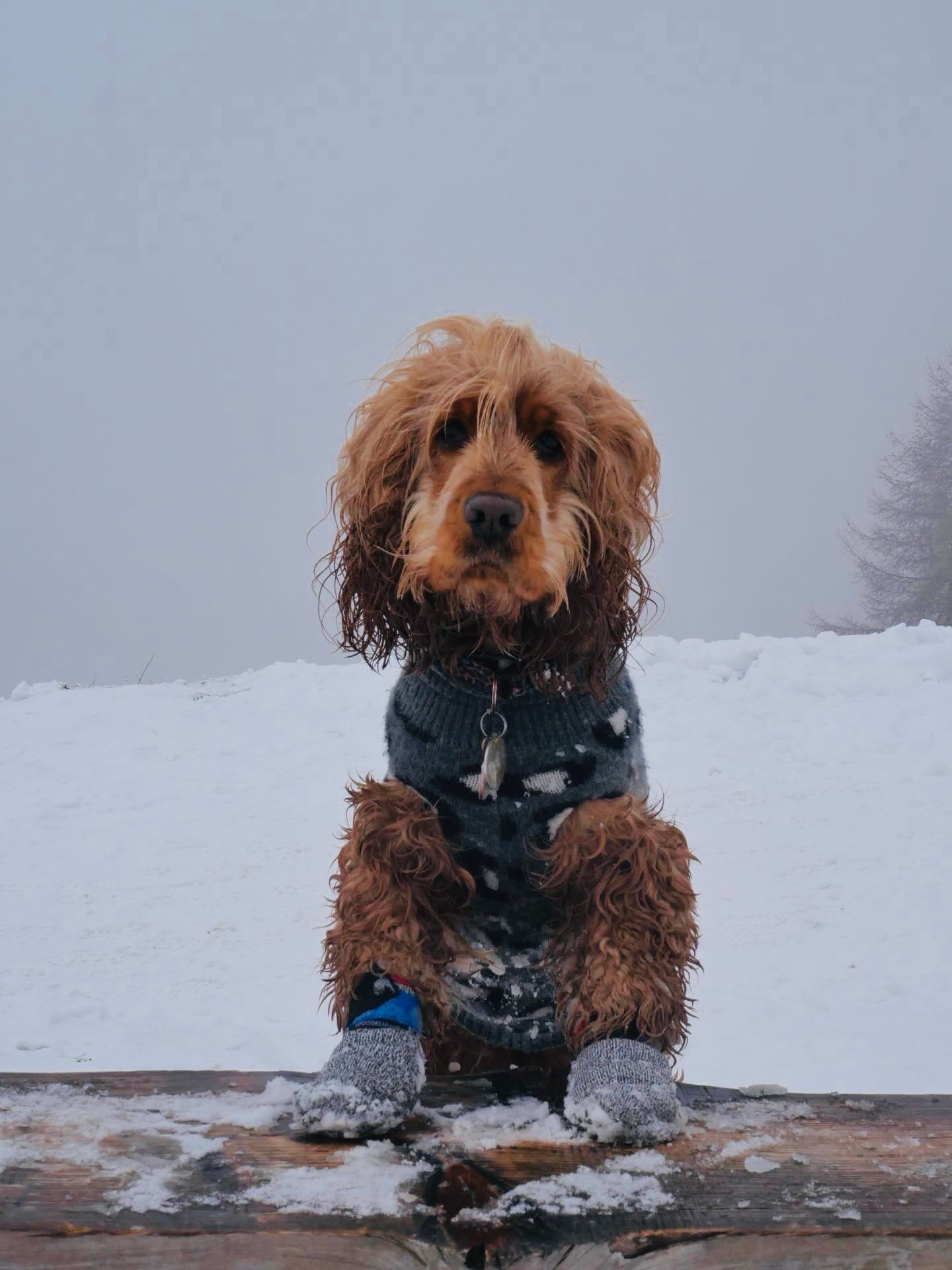
- Winter cold: Snow, ice, and de-icing salt can irritate or injure paw pads. Use dog booties as a preventative measure before walks, or if the dog has a cut or crack.
4. Trimming hair between paw pads
- If your dog has hair between its paw pads, it can trap dirt, debris, or ice.
- Trim them carefully with round-tipped scissors.
5. Cleaning after walks
- Wash your dog's paws after a walk, especially if they have walked on salt, chemicals, or dirty surfaces.
- Use lukewarm water and a soft cloth to clean the paw pads.
- Use the paw pads with our balm.
6. Monitoring abnormal behaviors
- If your dog excessively licks or chews its paws, it may indicate pain, irritation, or an allergy. Also use the balm with a comfort boot.
7. First aid for injuries
- In case of a minor cut or abrasion, clean the area with a saline solution or a mild alcohol-free antiseptic.
- Apply the balm and protect if necessary to prevent the dog from licking the wound with a bootie. Consult a veterinarian for more serious injuries.
By following these tips, you will help protect your dog's paw pads and prevent paw-related health problems. Do not hesitate to consult a veterinarian if you notice anything unusual or have any doubts; we are also here to advise you.
Our Paw Care Pack:


